
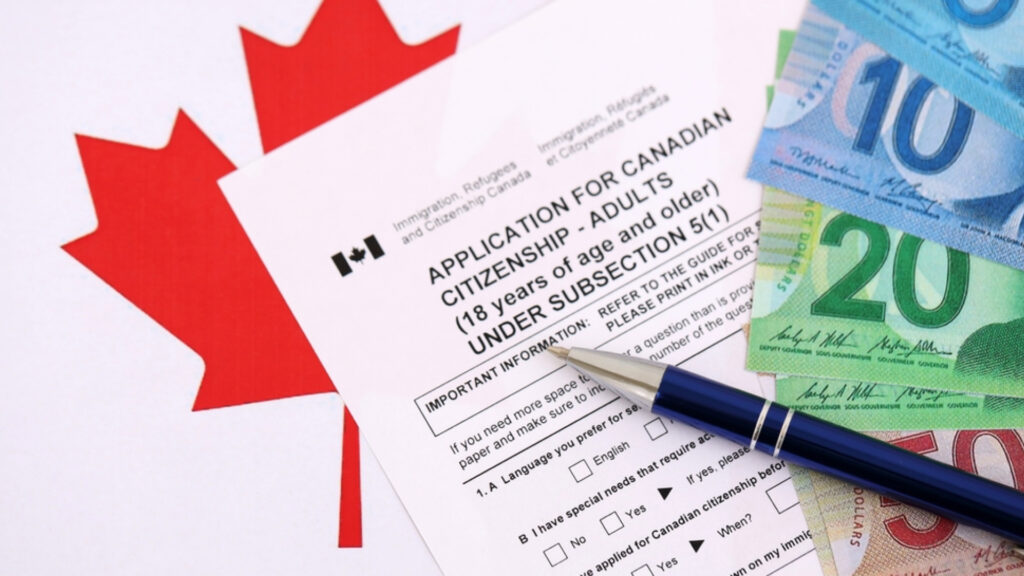
Canada remains one of the most desirable immigration destinations in the world, offering economic stability, high living standards, and a welcoming multicultural society. In 2026, Canadian immigration continues to evolve with updated programs, targeted draws, and regional pathways designed to meet labor market and demographic needs.
This guide provides a clear and comprehensive overview of the major Canadian immigration pathways available in 2026, helping you understand your options and choose the right route for your future in Canada.
1. Express Entry System
The Express Entry system is Canada’s primary pathway for skilled workers seeking permanent residence. It is a points-based system that manages applications under three federal programs:
- Federal Skilled Worker Program (FSWP)
- Canadian Experience Class (CEC)
- Federal Skilled Trades Program (FSTP)
Candidates are ranked using the Comprehensive Ranking System (CRS), which considers factors such as age, education, work experience, language proficiency, and adaptability. In 2026, category-based draws continue to prioritize candidates in high-demand occupations, including healthcare, STEM, trades, transport, and French-speaking professionals.
Best suited for: Skilled professionals with strong language skills and work experience.
2. Provincial Nominee Programs (PNPs)
Each Canadian province and territory (except Quebec) operates its own Provincial Nominee Program to meet local labor market needs. PNPs allow provinces to nominate candidates for permanent residence based on specific criteria.
PNP streams may target:
- Skilled workers
- International graduates
- Semi-skilled workers
- Entrepreneurs and business owners
In 2026, PNPs remain a powerful option for candidates with lower CRS scores, as a provincial nomination provides an additional 600 CRS points under Express Entry.
Best suited for: Applicants with provincial ties, job offers, or experience in in-demand occupations.
3. Family Sponsorship
Canada places strong importance on family reunification. Eligible Canadian citizens and permanent residents can sponsor certain family members for permanent residence, including:
- Spouses or common-law partners
- Dependent children
- Parents and grandparents
The Parent and Grandparent Program (PGP) continues to operate with limited intakes, while the Super Visa remains a popular long-term visitor option for parents and grandparents.
Best suited for: Families seeking to reunite and settle together in Canada.
4. Study-to-Immigration Pathways
Canada’s education system serves as a strong pathway to permanent residence. International students may be eligible for:
- Study permits
- Post-Graduation Work Permits (PGWP)
- Permanent residence through Express Entry or PNP streams
In 2026, graduates with Canadian education and work experience continue to benefit from higher CRS scores and targeted provincial streams.
Best suited for: Students planning long-term settlement in Canada.
5. Work Permit Pathways
Temporary work permits often serve as a stepping stone toward permanent residence. Common options include:
- Employer-specific work permits
- LMIA-based work permits
- Open work permits (including spousal open work permits)
Canadian work experience gained through these permits can significantly improve eligibility for permanent residence programs.
Best suited for: Individuals seeking Canadian work experience before applying for PR.
6. Business and Investor Immigration
Canada offers immigration pathways for entrepreneurs, investors, and self-employed individuals, including:
- Start-Up Visa Program
- Provincial entrepreneur streams
- Self-Employed Persons Program
These programs focus on innovation, job creation, and economic contribution to Canada.
Best suited for: Business owners, entrepreneurs, and investors.
7. Atlantic Immigration Program (AIP)
The Atlantic Immigration Program supports employers in Atlantic Canada (Nova Scotia, New Brunswick, Newfoundland and Labrador, and Prince Edward Island) by attracting skilled workers and graduates.
The program offers a simplified and employer-driven pathway to permanent residence.
Best suited for: Candidates with job offers from Atlantic Canadian employers.
8. Rural and Northern Immigration Pilot (RNIP)
The RNIP helps smaller communities attract skilled newcomers to support local economies. Applicants must have a job offer from a participating community and meet program requirements.
Best suited for: Individuals willing to settle in smaller Canadian communities.
Choosing the Right Immigration Pathway
Selecting the right immigration program depends on multiple factors, including your qualifications, goals, family situation, and timeline. Canadian immigration policies change frequently, making professional guidance essential.
Working with a RCIC & CICC-licensed immigration consultant ensures your application is accurate, compliant, and strategically prepared.
Final Thoughts
Canada offers multiple immigration pathways in 2026, each designed to welcome individuals who can contribute to the country’s economy and society. With the right strategy and professional support, your Canadian dream can become a reality.
Canadian Horizon is committed to guiding international and local clients through every stage of the immigration process with professionalism, transparency, and care.
Disclaimer: Immigration programs and requirements are subject to change. This guide is for informational purposes only and does not constitute legal advice.