
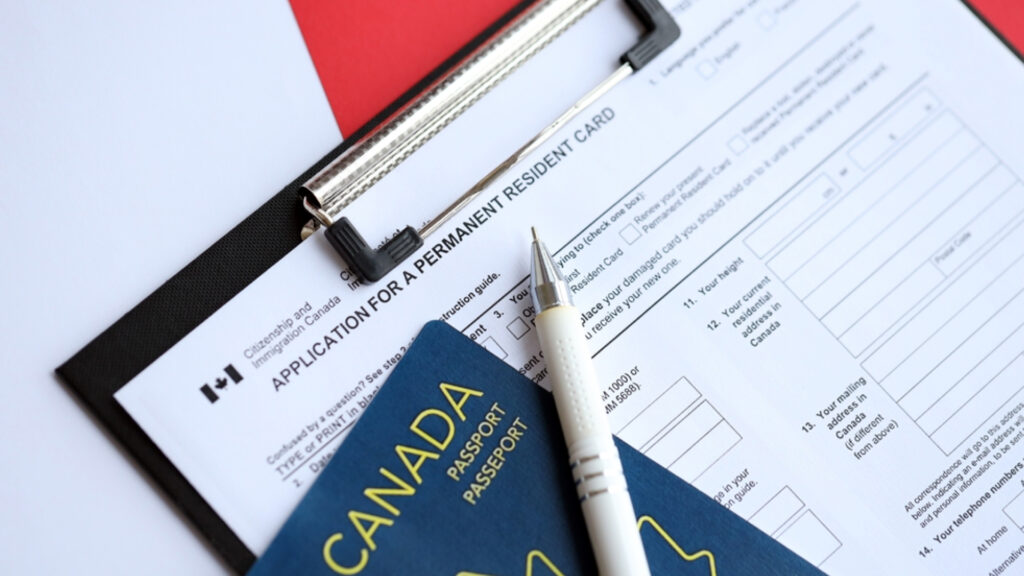
Canada’s immigration system offers many opportunities, but it is also highly regulated and detail-oriented. Even small mistakes can lead to application delays, refusals, or bans from reapplying for a certain period.
Understanding the most common Canadian immigration mistakes—and how to avoid them—can significantly improve your chances of success.
1. Choosing the Wrong Immigration Program
One of the most common mistakes is applying under an immigration program that does not match your profile. Many applicants submit applications without fully understanding eligibility requirements.
How to avoid it:
- Get a proper eligibility assessment before applying
- Compare multiple immigration pathways
- Seek advice from a RCIC-licensed consultant
2. Providing Incomplete or Incorrect Information
Missing documents, incorrect dates, or inconsistent information can result in refusals or misrepresentation findings.
How to avoid it:
- Double-check all forms and documents
- Ensure consistency across applications
- Keep records of employment, education, and travel history
3. Weak or Unclear Supporting Documents
Submitting poorly prepared documents such as employment letters, proof of funds, or study plans weakens your application.
How to avoid it:
- Follow IRCC document guidelines carefully
- Use clear, detailed, and properly formatted documents
- Provide explanations where required
4. Ignoring Proof of Funds Requirements
Many applications are refused because applicants fail to meet or properly demonstrate financial requirements.
How to avoid it:
- Show sufficient funds as per program requirements
- Provide legitimate and verifiable financial documents
- Avoid last-minute large deposits without explanation
5. Poor Language Test Scores or Expired Results
Language proficiency is a key factor in most immigration programs. Using expired test results or underestimating score requirements can harm your application.
How to avoid it:
- Take approved language tests (IELTS, CELPIP, TEF)
- Aim for higher scores to strengthen eligibility
- Ensure results are valid at the time of submission
6. Submitting a Weak Study Plan (For Students)
Many study permit refusals occur due to unclear study intentions or poor justification of program choice.
How to avoid it:
- Clearly explain academic and career goals
- Demonstrate ties to your home country
- Align your education choice with your background
7. Misunderstanding Temporary vs. Permanent Intent
Applicants often fail to properly explain their intent, especially for study and visitor visas.
How to avoid it:
- Clearly demonstrate temporary intent where required
- Understand dual intent policies
- Provide honest and logical explanations
8. Relying on Unverified Information or Agents
Following outdated online advice or working with unauthorized agents can lead to serious mistakes.
How to avoid it:
- Verify information through official IRCC sources
- Work only with RCIC & CICC-licensed consultants
- Avoid guarantees or unrealistic promises
9. Missing Deadlines or Updates
Immigration timelines and document validity are critical. Missing deadlines can result in refusal.
How to avoid it:
- Track submission and response deadlines
- Monitor email and online accounts regularly
- Keep documents updated
10. Applying Without Professional Guidance
Many refusals occur because applicants underestimate the complexity of Canadian immigration.
How to avoid it:
- Seek professional assessment
- Develop a clear immigration strategy
- Ensure compliance with current policies
Why Professional Guidance Matters
Working with a RCIC & CICC-licensed immigration consultant helps you:
- Avoid costly errors
- Improve application strength
- Stay compliant with changing policies
- Increase approval chances
Final Thoughts
Canadian immigration success depends on accuracy, strategy, and preparation. Avoiding common mistakes can save time, money, and stress.
Canadian Horizon provides professional, transparent, and compliant immigration services to help international and local clients achieve successful outcomes.
Disclaimer: This article is for informational purposes only and does not constitute legal advice. Immigration policies are subject to change.